# When You Need a Solicitor vs When You Can DIY Legal Work For more information, see our guide on How to Set Up a Trust: Types, Costs, and Benefits.
Legal issues can be daunting—most of us would rather avoid them altogether. But when life throws a curveball, understanding **when you need a solicitor vs when you can DIY legal work** can save you time, stress, and money. I’ve been writing about legal services for years and seen firsthand how tricky it can be to know when it’s okay to roll up your sleeves versus when professional advice is crucial.
Whether you’re handling a straightforward contract or facing a complex dispute, this guide breaks down the scenarios to help you make informed decisions.
—
## Understanding the Basics: Solicitors vs DIY Legal Work
Before diving into specifics, let’s clarify what each approach involves.
**Solicitors** are legally qualified professionals who provide expert advice, prepare documents, and represent you in court if necessary. Their expertise helps you navigate complex laws and protect your rights.
**DIY legal work** means taking on legal tasks yourself without professional help. This might be drafting a will, setting up a basic business, or managing small claims disputes.
The tricky part? The line between the two isn’t always clear-cut.
—
## When You Can DIY Legal Work
Some legal tasks are straightforward, routine, and safely manageable without a solicitor. Here are common examples:
### 1. Simple Contracts and Agreements
If you’re creating agreements like a basic lease or freelance contract, plenty of templates and online services exist to help. Sites like LegalZoom and Rocket Lawyer offer step-by-step guides[^1], which can be perfect when the stakes aren’t sky-high or the terms aren’t complex.
That said, always double-check the template’s jurisdiction and ensure it suits your specific situation.
### 2. Basic Wills and Estate Planning
In many cases, writing a basic will can be done independently. The UK government even provides resources explaining how to write a valid will yourself (see [GOV.UK’s guide](https://www.gov.uk/make-will)).
However, if your estate is large, complex, or involves trusts, it might be safer to seek a solicitor’s input.
### 3. Small Claims and Minor Disputes
For disputes involving amounts under £10,000 in England and Wales (and similar limits elsewhere), DIY small claims procedures are often manageable. The [Money Claim Online](https://www.gov.uk/make-court-claim-for-money) service supports claimants throughout the process.
Just remember this works best when both parties cooperate and the case is straightforward.
—
## When You Need a Solicitor
While DIY legal work has its place, some situations absolutely warrant professional assistance:
### 1. Complex Litigation or Court Representation
If your case goes beyond small claims—say, a serious dispute over property ownership or a high-stakes commercial matter—a solicitor is vital. They’ll prepare your case, handle communication with the courts, and advocate for you in hearings.
The Solicitors Regulation Authority highlights that solicitor expertise can significantly influence outcomes in complex disputes ([SRA guidance](https://www.sra.org.uk/consumers/)).
### 2. Family Law Matters
Divorce, child custody, or adoption are notoriously sensitive and complex. Family law solicitors help protect your rights and navigate emotional, legal hurdles. DIY solutions can sometimes overlook critical issues, leading to messy legal or personal consequences.
### 3. Property Transactions
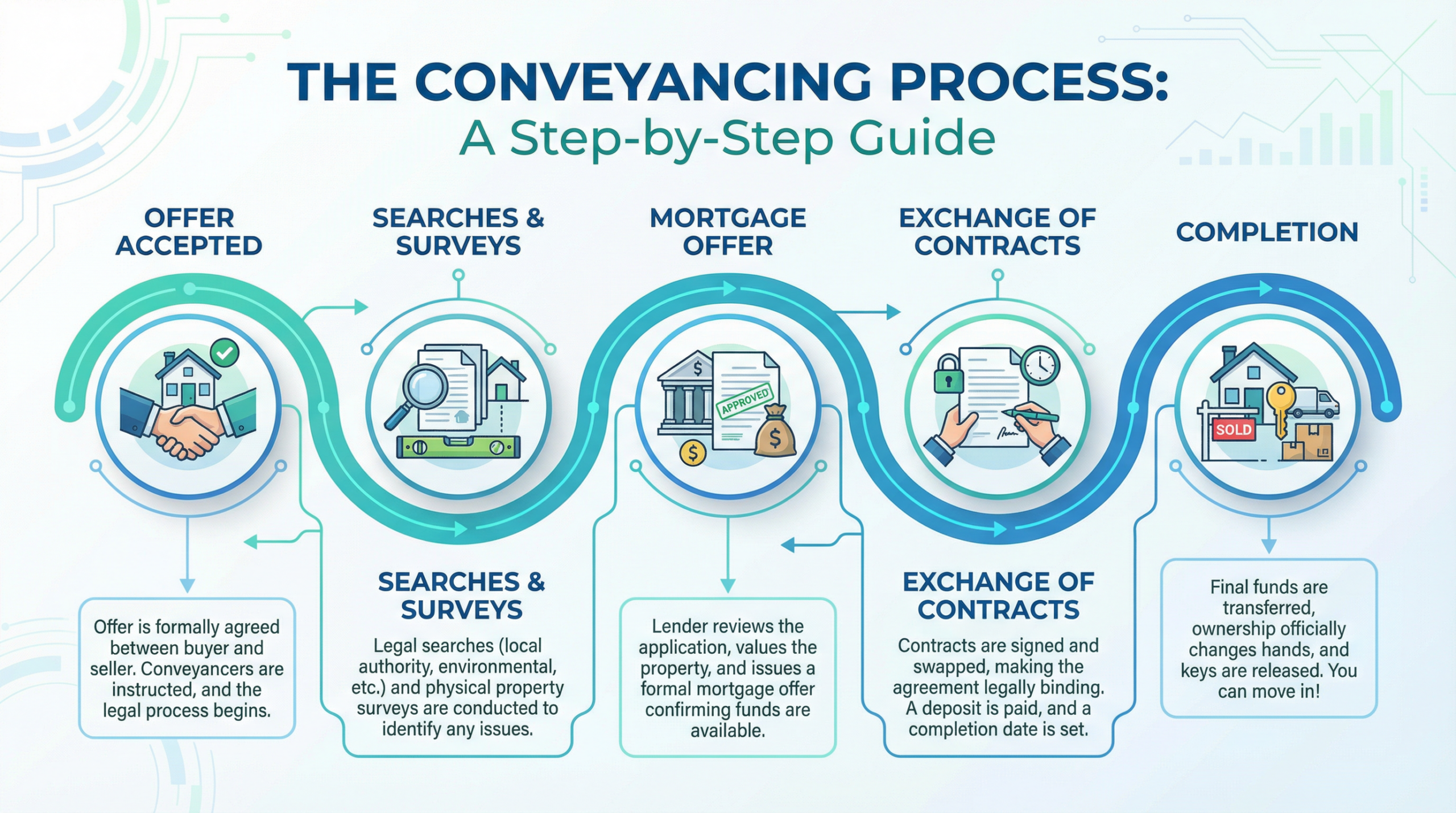
Buying or selling property involves intricate contracts and significant financial risk. Conveyancing solicitors conduct searches, check titles, and ensure all obligations are met—a DIY approach can leave you exposed to unseen liabilities.
—
## Balancing Cost and Risk: When DIY Makes Sense
When deciding whether you should DIY or hire a solicitor, consider:
– **Complexity:** The more complicated the document or situation, the more a solicitor adds value.
– **Financial Stakes:** Higher stakes generally justify legal fees.
– **Time:** Solicitors can speed up processes you may struggle with.
– **Confidence:** If you’re not confident in your understanding of the law, getting help may prevent costly mistakes.
Sometimes, a hybrid approach works: do initial drafting yourself, then have a solicitor review your work.
If you’re a small business owner, there are excellent online legal services tailored for you (check out my article on [Best Online Legal Services for Small Businesses in 2026](https://legalpickr.com/best-online-legal-services-for-small-businesses-in-2026/)) where you can combine affordable DIY frameworks with professional backup.
—
## Tools and Resources for DIY Legal Work
If you decide to tackle legal work yourself, these resources can be invaluable:
### 1. Online Legal Platforms
Services such as LegalZoom and Rocket Lawyer offer guided document preparation, and many can connect you to solicitors if needed. For a deeper dive into which fits your needs better, check out my comparison of [LegalZoom vs Rocket Lawyer](https://legalpickr.com/legalzoom-vs-rocket-lawyer-which-is-better-for-your-needs/).
### 2. Government Websites
Official online portals like [GOV.UK](https://www.gov.uk/) provide trustworthy templates and instructions for legal forms, saving you from unreliable sources.
### 3. Local Advice Centres
Charities and community groups often offer free or affordable legal advice. In the UK, Citizens Advice Bureau is a great example, available at [citizensadvice.org.uk](https://www.citizensadvice.org.uk/).
—
## When Budget is a Concern: Affordable Legal Help Options
Worried about solicitor fees? Many people are. But low-cost or pro bono options do exist, especially if you meet certain criteria.
### 1. Legal Aid
Legal Aid is government-funded help for qualifying individuals in criminal, family, and some civil cases. Eligibility is strict but worth investigating if you face financial hardship. More info at [gov.uk/legal-aid](https://www.gov.uk/legal-aid).
### 2. Fixed-Fee Solicitors
Some firms offer fixed fees for clearly defined services, giving you cost certainty upfront. Comparing these can save you from open-ended bills.
### 3. Sliding Scale or Free Clinics
Certain law firms offer sliding scales or free consultations (often initial). You can find more advice on affordable options in my article on [How to Find Affordable Legal Help in the UK](https://legalpickr.com/how-to-find-affordable-legal-help-in-the-uk/).
—
## A Final Word on DIY Legal Work and Solicitors
So, **when you need a solicitor vs when you can DIY legal work** is not a one-size-fits-all answer. It depends on your comfort with legal jargon, the complexity of your case, and the consequences of getting it wrong.
Legal mistakes—even minor ones—can have lasting impacts, which is why specialist advice from a solicitor often pays for itself in the long run. At the same time, not every legal issue requires costly professional help, and many people successfully manage their own affairs using the wealth of online resources now available.
If you’re hesitant, don’t be afraid to start small and escalate to professional help as needed. And always verify the credibility of any DIY resources or platforms you use.
—
### Disclaimer
This article provides general information and should not be taken as legal advice. Laws can vary widely by jurisdiction, and individual circumstances differ. For specific legal concerns, always consult a qualified solicitor.
—
## Author Bio
*Alexandra Green* is a content writer specializing in legal and regulatory topics with over 7 years of experience. She aims to make complicated legal information accessible and practical, empowering readers to navigate legal matters confidently.
—
[^1]: For more on document templates and legal help platforms, see: [https://www.legalzoom.com](https://www.legalzoom.com) and [https://www.rocketlawyer.com](https://www.rocketlawyer.com).