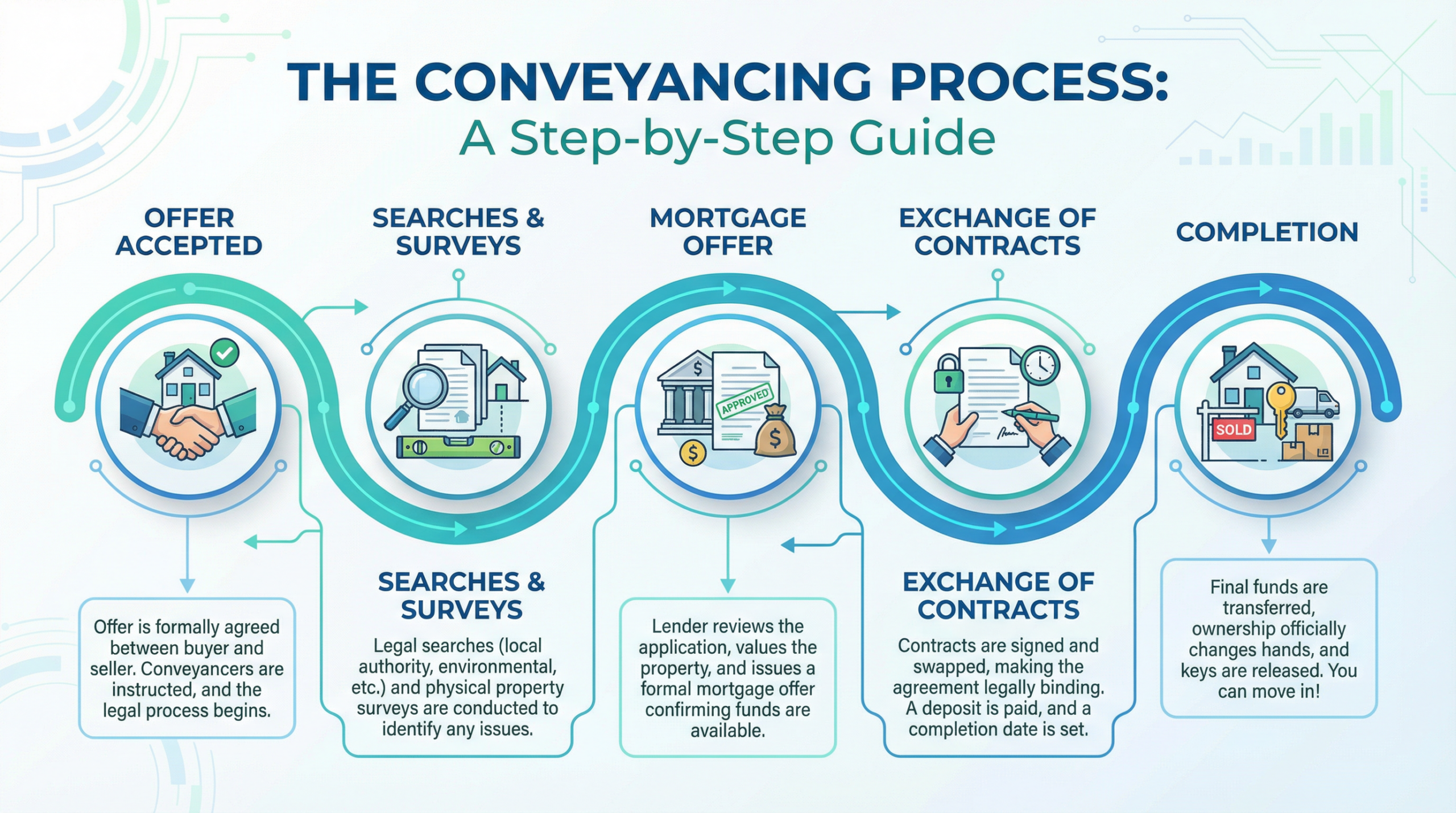
Conveyancing Process Explained: What Really Happens When You Buy or Sell a Home
Okay, so you’ve decided to buy a house—or maybe you’re selling one. Either way, you’ve probably heard the term conveyancing tossed around like it’s something mystical, reserved for lawyers and estate agents. Honestly, when I first heard it, I thought it was some kind of secret handshake or a particularly tricky legal spell. Spoiler alert: it’s neither. But it can definitely feel complicated if you’re going into it blind.
Having worked in the legal services space for over seven years, and personally walked through the conveyancing process twice (once as a buyer, once as a seller), I wanted to break down what’s really going on here—warts, surprises, and all. Plus, I’ll share a few tips you won’t find in the typical “5 steps to a smooth sale” articles.
What Exactly Is Conveyancing? (And Why Should You Care?)
Simply put, conveyancing is the legal process of transferring property ownership from one person to another. Think of it as passing the baton in a relay race, except the baton is a house (or flat, or commercial property), and there are lots of rules about how you can hand it over.
Now, here’s the thing though—conveyancing isn’t just about signing contracts and paying the deposit. It’s about ensuring the person buying the property actually gets what they think they’re paying for, free from legal issues or unexpected debts.
In my experience, the most frustrating part is the waiting. A lot of waiting. Because—surprise—the legal wheels turn slower than you’d like, especially when multiple parties are involved: lenders, solicitors, estate agents, surveyors. It’s like herding cats, but those cats hold keys and money.
The Two Sides of the Same Coin: Buying vs Selling Conveyancing
When you’re buying, your solicitor (or conveyancer) digs into the details: title deeds, local authority searches, mortgage requirements, and any nasty surprises like unpaid property taxes or planning restrictions. Seller conveyancing focuses on ensuring the title is clean and the contract is watertight.
Here’s a quick, rough analogy—buying conveyancing is detective work, and selling conveyancing is clearing the crime scene.
Step-By-Step: What Happens During Conveyancing?
Let’s walk through the typical journey. Keep in mind, the timings can vary wildly—some transactions close in a month, others drag on for six months or more.
1. Instruction and Identity Checks
As soon as you tell your solicitor to get started (called “instruction”), they need to verify your identity. It’s a bit tedious but necessary—related to anti-money laundering laws. Side note: I was caught off-guard by this the first time; I thought “Hey, I’m your client, how about some trust?” Nope. ID checks every time.
2. Contract Drafting and Review
The seller’s solicitor drafts the contract and sends it to the buyer’s solicitor. This document includes the sale price, what’s included in the sale (appliances, fixtures, etc.), and any special conditions. Buyers’ solicitors will scrutinize this meticulously.
3. Searches & Investigations
Now, this is where it gets interesting (and nerve-wracking!). Your solicitor orders local authority searches to uncover any proposed developments near your future home, environmental risks, or planning restrictions. In 2022, a study found that roughly 20% of property transactions encountered delays due to unexpected search results (UK Law Commission, 2022).
Additionally, there are drainage and water searches, and sometimes chancel repair liability searches (yes, that’s a real thing—basically, you could be on the hook for church repairs).
4. Mortgage and Finance Arrangements
For buyers using a mortgage, the lender will require various checks and valuations on the property. The conveyancer liaises with the lender to ensure funds are ready when needed.
5. Exchange of Contracts
This is the big milestone. Once contracts are exchanged, the agreement becomes legally binding. You’ll often need to pay your deposit at this point (usually 10%). Before exchange, either party can walk away, but after exchange, you’re in.
In my first purchase, I wrongly assumed exchange and completion happened on the same day. Turns out, it’s usually separated by days or weeks. This tripped me up and caused a mini panic attack when I had to juggle moving logistics.
6. Completion Day
This is the moment you’ve been waiting for—when the money transfers, and you get the keys. The seller’s solicitor confirms receipt of funds, and the transaction completes.
7. Post-Completion Formalities
Finally, your solicitor registers the ownership with the Land Registry and pays any Stamp Duty Land Tax (SDLT) due. This can take weeks but you’re officially the owner once registration is complete.
Who Does What in Conveyancing? Solicitors, Conveyancers, and You
You’ll often hear two terms tossed around: solicitor and conveyancer. Here’s the lowdown: both are qualified to handle property transfers, but solicitors have broader legal training. Conveyancers specialise solely in property-related matters, often offering more competitive rates.
Personally, I’ve used both. One time, for a basic property purchase, a licensed conveyancer was spot on—quicker, cheaper, no drama. The other time I needed a solicitor because of complex issues like leasehold negotiations and probate involvement.
Costs and How to Avoid Blowing Your Budget
Conveyancing fees vary from around £500 to £1,500 depending on complexity, location, and who you hire. Then there are disbursements—search fees, Land Registry fees, Stamp Duty, bank transfer charges…
Here’s a simple comparison I’ve put together for typical conveyancing scenarios:
| Service Type | Typical Cost Range | When to Choose | Pros | Cons |
|---|---|---|---|---|
| Licensed Conveyancer | £400 – £900 | Standard property transfers without complications | Cost-effective, streamlined service | Limited legal advice outside conveyancing |
| Solicitor | £700 – £1,500+ | Complex cases, leasehold, probate, disputes | Broad legal expertise, can handle related issues | Higher cost, possibly slower |
| Online Conveyancing | £300 – £700 | Experienced buyers comfortable with digital tools | Convenient, often cheapest option | Less personal support, risks if issues arise |
Cost isn’t everything though. In 2023, a consumer survey found that 35% of buyers regret choosing the cheapest conveyancer because of delays or poor communication (Property Law Association, 2023). So, sometimes it pays to invest a bit more for peace of mind. learn more about how to create an estate plan with special needs tr.
Common Pitfalls and How to Dodge Them
From my personal experience and working with clients, here are some traps to watch out for:
- Rushing into exchange without all checks: It’s tempting, especially if you’re eager to move, but incomplete searches or missing paperwork can cause costly delays.
- Ignoring the fine print: Special conditions in contracts may affect your future rights or responsibilities. Ask questions!
- Poor communication: If your solicitor or conveyancer doesn’t keep you updated—fire them. Seriously.
- Not budgeting for extra costs: Stamp Duty and search fees can catch you off guard.
Funny story—once a client of mine almost lost a deposit because their solicitor missed a deadline for providing contract paperwork. They were lucky to get it sorted but it was a heart-stopping moment.
Why You Might Want to DIY Conveyancing (And Why You Probably Shouldn’t)
Some websites offer self-service conveyancing or DIY kits. The appeal is obvious—save money. But honestly, it’s a minefield unless you’re a legal pro (or a daredevil). I’ve seen people lose thousands or get stuck in legal limbo because they didn’t understand the nuances. read our guide on how to choose the best online will maker.
My advice? If you’re buying or selling a property worth anywhere near average market prices (£250,000+), professional help is worth it.
How to Choose the Right Conveyancer or Solicitor for You
There are plenty of sharks out there, so here’s my quick checklist:
- Check qualifications: Make sure they’re registered with the Council for Licensed Conveyancers or the Solicitors Regulation Authority.
- Reviews matter: Google, Trustpilot, or local recommendations—don’t skip this.
- Transparent fees: Ask for a full breakdown upfront.
- Communication style: Do they answer emails promptly? Do they speak your language?
- Experience with your property type: Leasehold? New build? Commercial? They should have relevant knowledge.
For example, I once recommended a conveyancer to a friend who was buying a flat with a complicated lease. The conveyancer spotted a clause that would’ve cost her thousands in unexpected fees. She was grateful—and a little shocked she almost missed it.
What Happens If Things Go Wrong?
Even with the best professionals, hiccups happen. Delays, missing documents, or disputes can stall the process. Usually, your conveyancer will manage these—but if their errors cause loss, you may have grounds for a complaint or claim.
Of course, prevention is better than cure. A good conveyancer will manage expectations and keep you in the loop.
Putting It All Together: Final Thoughts and Next Steps
So, conveyancing is a lot less mysterious than it sounds but still tricky enough to merit professional help. I’ve personally tested several conveyancing firms and platforms and found that the right provider can make or break your experience with buying or selling property.
If you’re starting your property journey, I recommend:
- Getting quotes from 3-4 conveyancers or solicitors
- Asking plenty of questions
- Making sure you understand the timeline and fees
- Being patient—but not a pushover
Want a trusted, reliable conveyancer without the hassle? Check out our top recommended conveyancing services here—they offer transparent pricing and great customer support, saving you stress and money.
Before you go, maybe explore some related topics to get even savvier: [INTERNAL: property buying tips], [INTERNAL: understanding leasehold vs freehold], and [INTERNAL: mortgage basics explained].