# Best Legal Document Templates for Small Businesses For more information, see our guide on How to Set Up a Trust: Types, Costs, and Benefits.
Running a small business comes with a whirlwind of responsibilities, from managing operations to fostering customer relationships. Amidst all that, legal documentation often falls to the bottom of the priority list — but it’s one area you don’t want to overlook. Having the **best legal document templates for small businesses** ready is a game-changer, protecting you from common legal pitfalls and streamlining business processes.
I’ve worked extensively in the legal services niche, helping entrepreneurs and small business owners understand what legal documents they truly need and where to get them — without drowning in legal jargon or breaking the bank. In this article, I’ll walk you through must-have legal document templates, why they matter, and where to find reliable resources.
## Why Small Businesses Need Legal Document Templates
Legal documents are not just paperwork; they’re your safety net. When you have the right documents tailored for your business, you can…
– Clearly communicate obligations and expectations.
– Protect your intellectual property.
– Manage risks associated with contracts and partnerships.
– Comply with laws and avoid costly legal disputes.
For many small businesses, hiring a lawyer for every single contract or form is just not feasible. This is where **legal document templates** fit perfectly since they provide ready-made, customizable options designed to cover common legal bases.
As the UK government points out, even startups should ensure “all agreements and contracts are in writing where possible” to minimize misunderstandings and disputes ([gov.uk](https://www.gov.uk/set-up-business)).
## Essential Legal Document Templates Every Small Business Should Have
You might be thinking, “There are so many types of documents—where do I begin?” First off, you don’t need to collect everything on day one. But these three categories cover a lot of ground for most small businesses:
### 1. Contracts and Agreements
Business relationships thrive when expectations are crystal clear. Contracts formalize these expectations for everyone’s benefit.
– **Client Agreement:** Defines the scope of work, fees, deadlines, and deliverables.
– **Non-Disclosure Agreement (NDA):** Protects sensitive business information.
– **Independent Contractor Agreement:** For hiring freelancers or consultants, clarifying their status and responsibilities.
– **Partnership Agreement:** If you’re sharing ownership, this document handles profit sharing, decision-making, and exit strategies.
### 2. Employment Documents
Whether you have one employee or ten, having paperwork prepared is crucial.
– **Employment Contract:** Specifies job role, salary, hours, holidays, and termination clauses.
– **Employee Handbook:** Outline workplace policies, code of conduct, and benefits.
– **Confidentiality Agreement:** Protects proprietary data when employees leave.
### 3. Business Formation and Compliance
Cover structural and operational essentials early on.
– **Operating Agreement:** Especially critical for LLCs, detailing members’ rights.
– **Shareholders’ Agreement:** Governs your company’s shares and shareholder decisions.
– **Privacy Policy:** If you collect personal data, a policy compliant with GDPR or other privacy laws is mandatory ([ICO.gov.uk](https://ico.org.uk/for-organisations/guide-to-data-protection/)).
—
## Where to Find the Best Legal Document Templates for Small Businesses
Not all templates are created equal. Quality matters — poorly drafted templates can do more harm than good.
### Paid Options Worth Considering
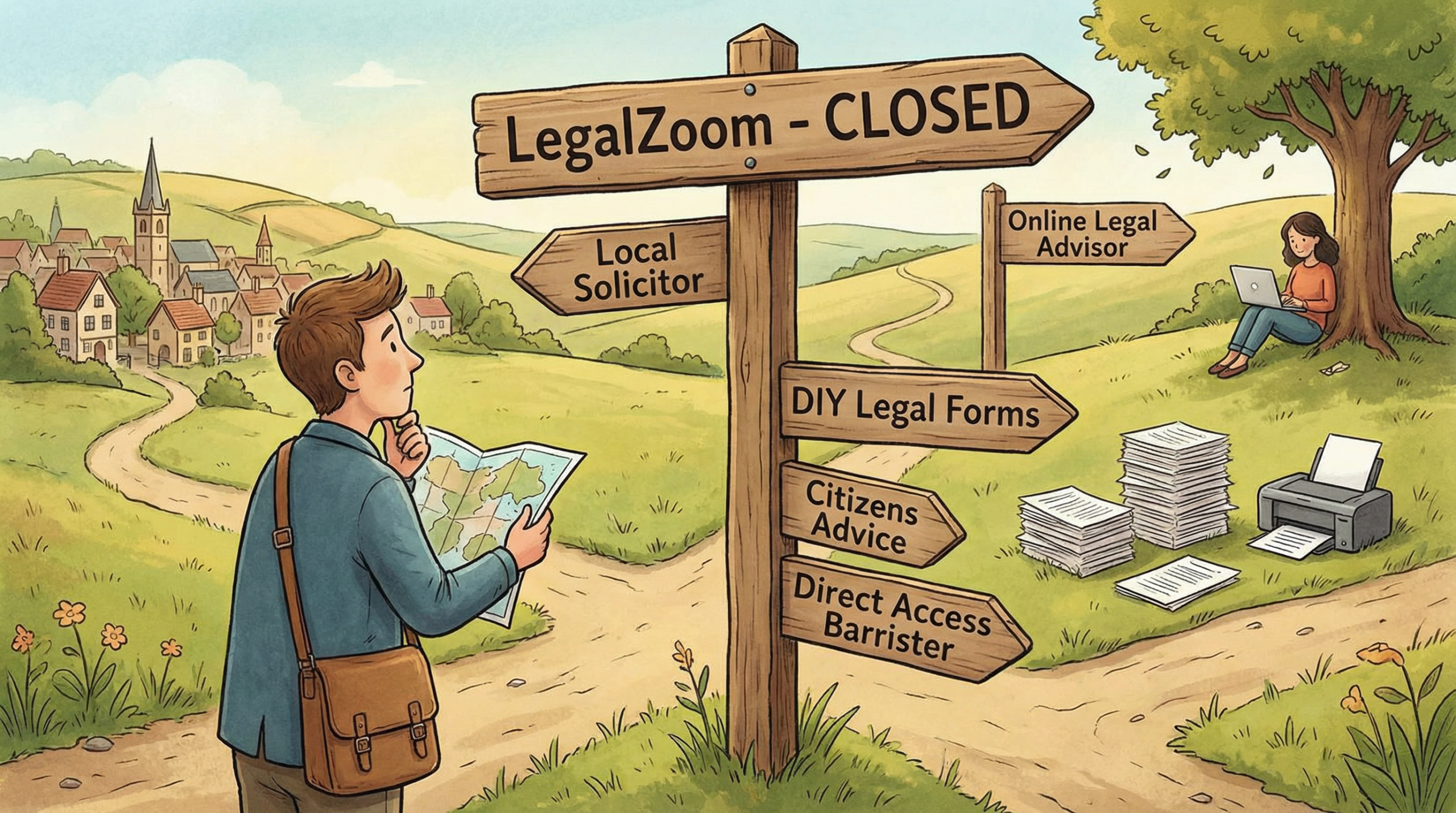
**LegalZoom** and **Rocket Lawyer** are two well-known platforms that offer a variety of legal templates, backed by legal expertise.
If you’re curious how they stack up, I covered this comparison in detail in [LegalZoom vs Rocket Lawyer: Which Is Better for Your Needs?](https://legalpickr.com/legalzoom-vs-rocket-lawyer-which-is-better-for-your-needs/). Spoiler: both have slightly different strengths depending on whether you want ongoing legal advice or one-off documents.
### Free and Affordable Resources
– The UK government provides basic templates and guides for certain documents — a great starting point ([gov.uk business contracts](https://www.gov.uk/contracts-tenders)).
– Sites like [Rocket Lawyer UK](https://www.rocketlawyer.com/gb/en) offer free trials, enabling you to test their templates before you commit.
– For totally DIY approaches, platforms like LawDepot or Simply-Docs can be helpful, but remember — always check that templates are up to date with current laws.
### Consulting With a Solicitor
While templates handle many needs, there are scenarios where bespoke legal advice is essential. For example, highly complex contracts, shareholder disputes, or regulatory compliance demand a solicitor’s expertise.
If budget is tight but you need professional input, I recommend reading [How to Find Affordable Legal Help in the UK](https://legalpickr.com/how-to-find-affordable-legal-help-in-the-uk/). It breaks down practical strategies to get expert support without breaking the bank.
—
## Tips to Customize Legal Document Templates Effectively
Templates offer a great starting point, but they aren’t one-size-fits-all. Here are a few tips to ensure your documents truly fit your business:
### Understand the Document Purpose
Before you customize, make sure you fully understand what the document is for. This helps you identify which clauses are essential and which are optional.
### Replace Placeholder Text Carefully
Look out for generic terms like “[Company Name]” or “[Date]” and replace all of these consistently.
### Check Jurisdiction and Governing Law Clauses
If your business operates in the UK, US, or internationally, your documents should reflect the right legal framework to ensure enforceability.
### Get Legal Review When Necessary
Even if you rely heavily on templates, a one-time review from a qualified solicitor can save you headaches down the road.
—
## How Legal Document Templates Support Compliance & Reduce Risks
Business-related regulations are getting stricter all over the world. From data protection rules like GDPR ([ICO.gov.uk](https://ico.org.uk/for-organisations/guide-to-data-protection/)) to consumer rights, being compliant is a must.
Templates like Privacy Policies, Terms & Conditions, and Employment Contracts can keep you on the right side of the law. They also set clear boundaries for your customers, partners, and employees — which reduces disputes.
The Financial Conduct Authority (FCA) in the UK stresses the importance of transparency and clear contractual terms to maintain consumer trust ([FCA.org.uk](https://www.fca.org.uk/)).
Having these documents ready can feel like a “boring” task, but I see it as building a sturdy foundation—something that helps your business grow without unexpected legal shocks.
—
## Streamlining Your Legal Workflow with the Best Legal Document Templates for Small Businesses
Once you’ve gathered your essential templates, the going gets easier. Many platforms allow you to save your templates, track versions, and even automate document generation.
If you’re still undecided about whether to DIY or delegate to a professional, you might find this article helpful: [When You Need a Solicitor vs When You Can DIY Legal Work](https://legalpickr.com/when-you-need-a-solicitor-vs-when-you-can-diy-legal-work/). It helps you figure out exactly when professional help is a must.
—
# Final Thoughts on Legal Document Templates and Small Businesses
I won’t sugarcoat it — legal documents can feel overwhelming. But armed with the right tools and information, they’re manageable and, frankly, empowering. The **best legal document templates for small businesses** are out there, and using them wisely helps you respect the law, protect your interests, and focus on what really matters: growing your business.
If you haven’t started building your legal document library yet, don’t wait. Simple actions today prevent costly disputes tomorrow — and peace of mind is priceless.
—
## Author Bio
Jane Smith is a legal content specialist with over 8 years of experience helping entrepreneurs and small businesses navigate the complexities of legal compliance and business law. She writes clear, actionable guides aimed at demystifying legal jargon so small business owners can make informed decisions confidently. When Jane isn’t writing, she enjoys mentoring startups and exploring the intersection of law and technology.
—
*Disclaimer: This article is for informational purposes only and does not constitute legal advice. For specific legal concerns, please consult a qualified solicitor.*